Luxury Interior Design: What Makes a Space Feel Luxurious?

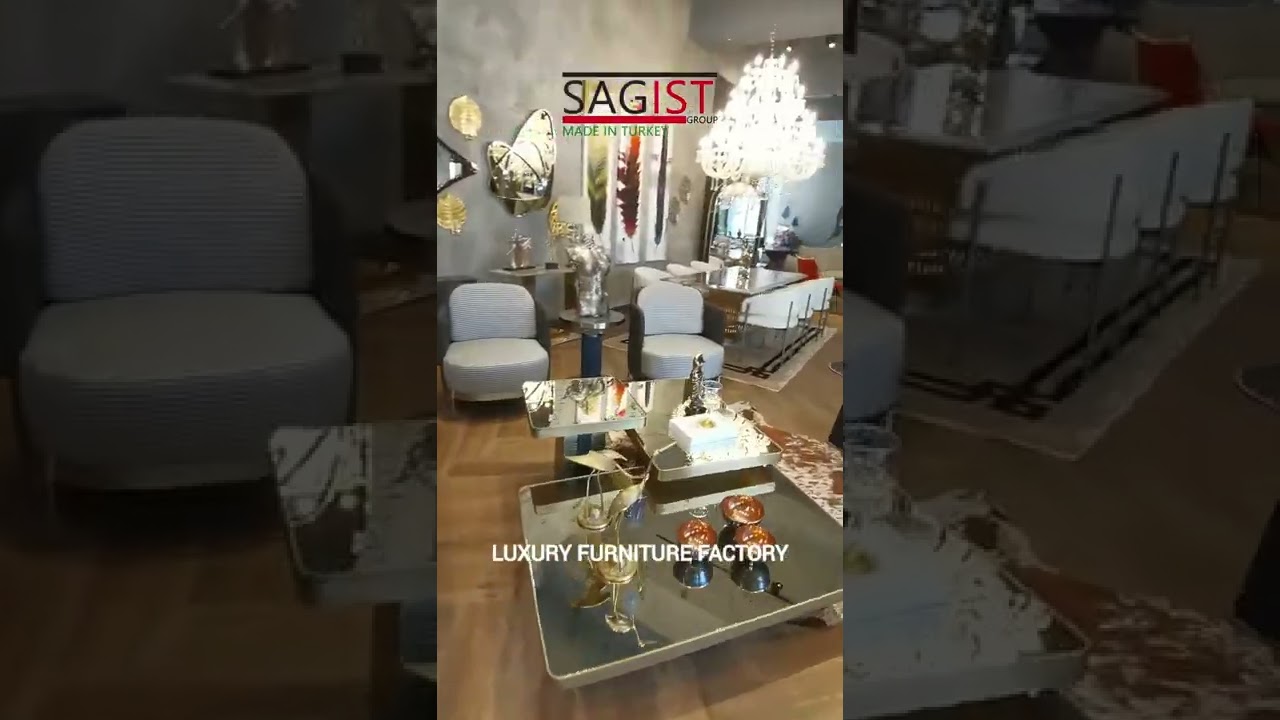
Luxury interior design is rarely about one expensive object. In a new long-form conversation on the Sagist Group YouTube channel, our young architects sit down in the Sagist Group showroom and try to name the feeling of walking into a room and knowing, instantly, that it is luxurious. Their answer is harmony: materials, space, light, silence and custom-made craftsmanship working together.
The talk is in Turkish, with subtitles and auto-translate available on YouTube. Below is an English guide to the ideas it covers, plus practical notes for homeowners, developers and designers who want a space that feels complete rather than decorated.
Key takeaways
Sagist Group published this video on YouTube on 4 November 2026; it runs for about 28 minutes and is filmed inside the Sagist Group showroom.
Luxury reads through atmosphere and the harmony of materials, not through logos or one statement piece.
Custom-made wall panels and furniture are what make a room feel finished and personal.
Style choices such as Hamptons, old money or modern minimalism should follow the owner's way of living.
Japandi rooms, low seating and conversation pits create calm; feng shui ideas need to be adapted to local culture.
A home for Northern Europe must answer to climate and daily habits as much as to taste.
What the video shows
The video is a relaxed conversation between Sagist Group architects, organised in clear chapters. It opens with the question "What makes a space truly luxurious?" and quickly moves away from price tags. One of the architects, Elif, explains that you never judge a space by a single item; you sense luxury when you see that someone understood how materials work together.
Later chapters cover the first sign of an expensive home (objects or atmosphere), why custom-made pieces change everything, how to choose between Hamptons, old money and modern styles, and how to design a room that truly reflects its owner. At around 8:40 the team gathers around a single-piece solid wood dining table, about 4.5 metres long, that seats roughly 18 guests. One architect describes it as closer to working with nature than to decoration, and explains why such a piece needs exactly the right home.
The second half moves to bigger questions: where to start when designing a villa from scratch, stone or wood as the main material, Japandi living and conversation pits, why feng shui must be localised, what palaces teach us about opulence, and how to design for Northern Europe, ending with charred black timber houses.
What makes a space luxurious?
A space feels luxurious when every element shares one idea: proportion, palette, light and craftsmanship agree with each other. In the video, the architects put it simply: you do not need huge logos or showy visuals; you need the combination of several things done with taste.
For a project brief, this means planning the room as one composition. Decide the main material family first (for example oak, walnut or marble), then let wall finishes, joinery, upholstery and lighting follow it. Our earlier article What Is Real Luxury? Inside a Bespoke Turnkey Interior Project looks at the same idea through a finished project, and Quiet Luxury: The Definitive Guide explains why understated rooms often feel the most expensive.
Why custom-made furniture changes the room
Custom-made furniture fits the architecture instead of fighting it, so the room reads as complete. Wall panels, built-in units and furniture made to the same drawings close the gaps that standard pieces leave behind.
The 4.5-metre table in the video is a good example. A single solid slab is not for every taste, as the architects admit, but it shows how one handmade piece can define a dining room and set its scale. If you are planning a large table, our guide to handcrafted solid wood dining tables covers timber choice, finishes and care.
Japandi, conversation pits and low living
Low seating, low beds and a sunken or enclosed seating area slow a room down and make it feel calm. The architects link this to Japandi, the mix of Japanese restraint and Scandinavian warmth, and to the conversation pit, where each person has a defined place without walls dividing the room.
Both ideas are part of the current design conversation. Ideal Home has asked whether Japandi living rooms will stay on trend in 2026, and Outlook India's luxury edition explains why conversation pits are making a comeback. For more on the style itself, see Japandi Interior Style: Where Serenity Meets Style.
Designing for culture and climate
A luxury home has to answer to the place it stands in. In the feng shui chapter, the architects argue that the principles should be adapted to local culture rather than copied. In the Northern Europe chapter, they note that cold, snowy weather limits outdoor sitting and that daily life there is often more private than the courtyard and balcony culture common in Türkiye.
For a villa or residence abroad, start the brief with climate, family habits and how rooms will be used through the year. Then choose materials, from stone to charred black timber, that suit both the weather and the owner's character.
FAQ
What makes a home look expensive?
Harmony. When materials, light, proportions and furniture follow one idea, a home looks expensive even without obvious luxury objects, which is the main point of the conversation in the video.
Is custom-made furniture worth it for a luxury home?
Usually yes, for the key rooms. Made-to-measure panels, built-ins and furniture fit the architecture exactly, so the space feels finished and personal rather than assembled from standard pieces.
Is Japandi still a good choice in 2026?
It remains part of the design conversation. Its low seating, natural woods and calm palettes suit homes where the owner wants a quiet, restful atmosphere.
Can Sagist Group design a villa interior from scratch?
Yes. Sagist Group provides turnkey interior solutions, from design coordination and bespoke furniture production to international logistics and installation.
Where can I watch the full video?
You can watch it on the Sagist Group YouTube channel: What Really Makes a Space Luxurious? on YouTube.
Plan a luxury interior with Sagist Group
Founded in Istanbul in 1996, Sagist Group has 30 years of experience in bespoke furniture and turnkey interiors, exports to 73 countries and has its own companies and showrooms in 23 countries. Explore our luxury home and villa furniture or contact our team with your location, drawings and project scope.
Watch the full video on YouTube (@sagistgroup) and subscribe to the Sagist Group channel.

Comments