Luxury Interior Design Secrets: What Makes a Space Feel Luxurious?

Luxury interior design is rarely about one expensive object. You feel it before you can name it: a calm room, materials that agree with each other, light that falls in the right place and furniture made for the space rather than bought for it. In a new conversation on the Sagist Group YouTube channel, filmed inside our showroom, two of our architects talk through these invisible rules. This article summarises what they discuss and adds practical guidance for anyone planning a luxury home, villa or hospitality interior.
Key takeaways
Sagist Group published this conversation on its YouTube channel on 4 November 2026; it is in Turkish, with chapters and auto-translated subtitles.
The architects argue that atmosphere, not a single object, is the first sign of a luxurious space.
Custom-made wall panels and furniture make a room feel complete because every piece is sized for it.
Style choices such as Hamptons, "old money" or modern minimalism should follow how the owner lives.
Japandi living, low seating and localised feng shui are discussed as tools for calm, not as fixed recipes.
Climate and culture shape the right materials, from stone and solid wood to charred black timber in Northern Europe.
What the video shows
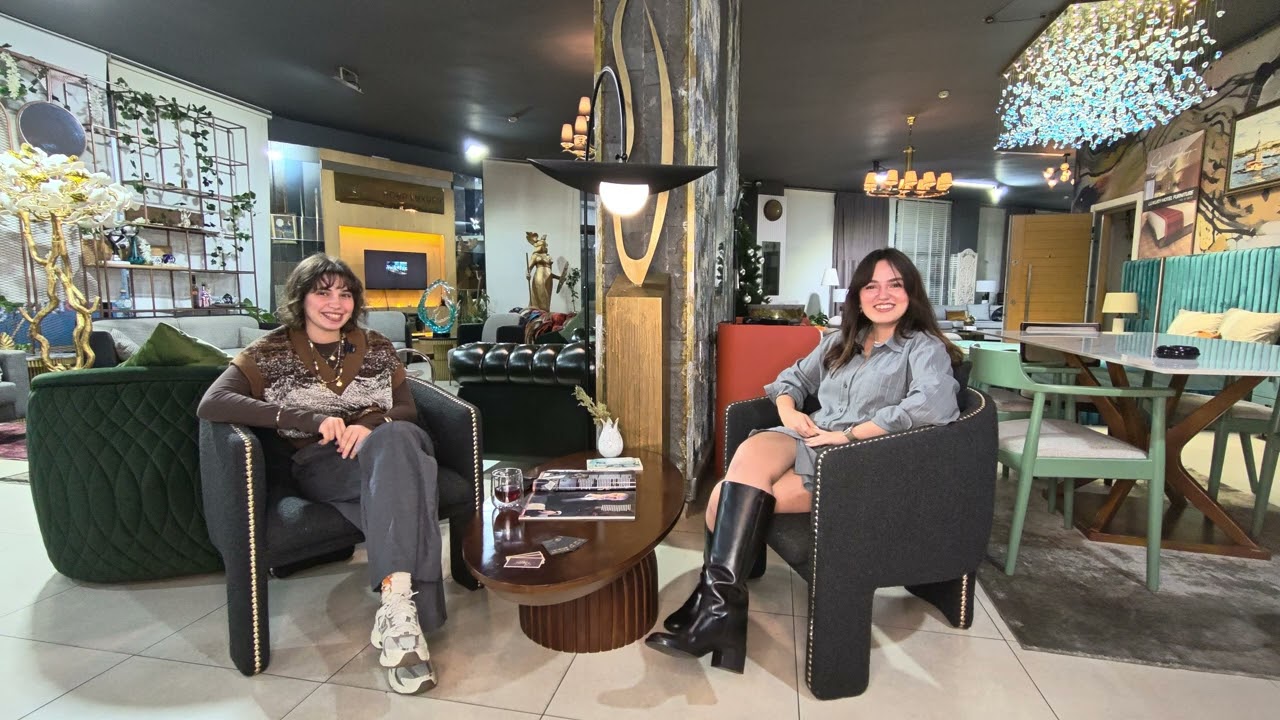
The video is a 28-minute design conversation between Sagist Group architects, recorded among the furniture and finishes of our showroom. It moves from the definition of luxury to concrete design decisions.
The chapters cover the first impression of an expensive home, why custom-made pieces change a room, how to choose between Hamptons, "old money" and modern styles, and how to design a room that reflects its owner. One chapter tells the story of a 4.5-metre single-piece solid wood dining table for 18 guests. Others look at a Mozart sculpture from Vienna, where to start when designing a villa from scratch, stone versus wood as a building material, Japandi interiors and conversation pits, and why feng shui must be adapted to local culture.
The last part of the conversation turns to history and climate: what Ottoman, Viennese and Japanese palaces teach about opulence, and how a home for Northern Europe can respond to cold winters with charred black timber facades.
What makes a space feel luxurious?
A space feels luxurious when everything in it works together: proportion, materials, light, sound and craftsmanship. Guests read the whole atmosphere before they notice any single piece.
Interior writers describe the same idea under the name "quiet luxury". Livingetc outlines the steps designers take to achieve quiet luxury, and Sunset's guide to getting quiet luxury right gathers interior designers' rules for a calm, expensive-feeling home. Apartment Therapy adds a warning about furniture that is too large for the room, one of the easiest ways to break that calm.
In practice, the architects in the video point to a few repeatable principles:
Limit the material palette and repeat it, so wood, stone, metal and fabric relate to each other.
Plan lighting in layers, with indirect light on walls and ceilings rather than one bright source.
Keep acoustic comfort in mind: soft surfaces, panelling and rugs make a room feel quieter and more private.
Give each piece of furniture enough space to be seen.
Why custom-made furniture changes a room
Custom-made furniture changes a room because it is designed for its exact dimensions, sight lines and use. Off-the-shelf pieces rarely fit wall lengths, ceiling heights or window positions perfectly.
This is why the conversation keeps returning to wall panels, joinery and bespoke tables. A 4.5-metre solid wood dining table for 18 people, for example, only works when the room, the lighting above it and the circulation around it are planned together. The same logic applies to wardrobes, media walls and headboards: when they are drawn as part of the architecture, the room looks finished rather than furnished.
How to choose a luxury interior style
Choose a style by starting with how you live, then the climate and the architecture of the house. A style that ignores daily routines will feel like a showroom, not a home.
Hamptons style suits bright, relaxed homes with natural fabrics and painted joinery.
An "old money" interior relies on classic proportions, panelling, antiques and layered textiles.
Modern minimalism and Japandi favour low furniture, natural wood, quiet colours and empty space.
Feng shui and other traditions can guide layout, but the architects stress adapting them to local culture.
In colder climates, material choice matters as much as style: insulation, durable facades and warm interiors come first.
Frequently asked questions
What is the first sign of a luxurious home?
According to the architects, it is the atmosphere: harmony between materials, light, scale and silence, rather than any single expensive object or logo.
Is quiet luxury the same as minimalism?
Not exactly. Minimalism reduces the number of objects, while quiet luxury focuses on quality, craftsmanship and a calm, coherent palette. A quiet luxury home can still be warm and layered.
Why do custom-made wall panels and furniture matter?
They are designed for the exact room, so proportions, joints and finishes align with the architecture. That is what makes a space feel complete.
Which language is the video in?
The conversation is in Turkish. Turn on subtitles and YouTube's auto-translate to follow it in your language.
Where can I watch the full video?
You can watch it on the Sagist Group YouTube channel: Luxury interior design secrets from our architects.
Plan your luxury interior with Sagist Group
Sagist Group was founded in Istanbul in 1996 and brings 30 years of experience in bespoke furniture manufacturing and turnkey luxury interiors, with exports to 73 countries and its own companies and showrooms in 23 countries. Explore our home and villa furniture division and share your plans, drawings and timeline through the contact page.
Watch the full video on YouTube (@sagistgroup) and subscribe to the Sagist Group channel for more design conversations and project films.
Comments