Turkish Hammam Design for a Luxury Hotel Spa: Emerald Tiles, Marble and Kurna Basins

Turkish hammam design brings centuries of bathing culture into the modern hotel spa. In a new short on the Sagist Group YouTube channel, Architect Ayça presents the hammam she designed for the spa of our luxury hotel project in Bulgaria: emerald and blue glazed tiles, warm beige marble, arched niches with kurna basins and crystal chandeliers. Here is what the design shows, why hammams are back in hotel spas, and how to plan one.
Key takeaways
Sagist Group published this short on its YouTube channel on 4 November 2026.
The hammam is designed for the spa of a Sagist Group luxury hotel project in Bulgaria.
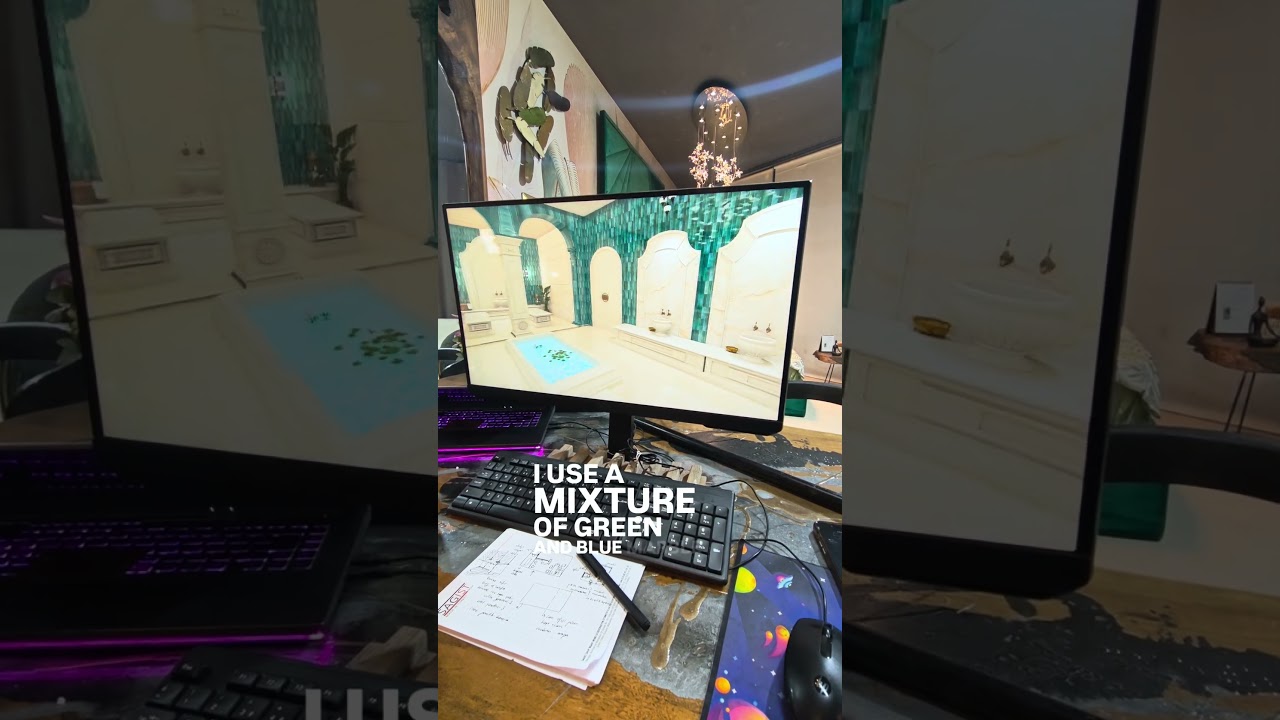
The palette pairs emerald-green and blue glazed tiles with warm beige marble.
Arched marble niches hold traditional kurna wash basins, with a turquoise water feature at the centre.
Crystal chandeliers and sculpted ceiling details give the wet area a ceremonial feel.
Planning a hammam means solving heat, steam, drainage and slip resistance before choosing finishes.
What the video shows
The short is a design-studio presentation in which Architect Ayça walks through the hammam she designed for the hotel spa. The images show a balanced composition of colour, stone and light.
Emerald and blue glazed tiles cover the walls and contrast with warm beige marble. Arched niches frame kurna basins, the carved stone bowls used for pouring water in a traditional bath. A turquoise water feature sits at the heart of the room, and crystal chandeliers with sculpted ceiling details complete the scheme. The video closes with a simple question to viewers: emerald or beige?
What is a Turkish hammam?
A Turkish hammam is a traditional steam bath built around heated marble, domes or arches and kurna basins. Guests warm up on a heated central platform, then wash and rinse with water poured from the basins.
Unlike a dry sauna, the hammam uses moist heat and ritual: warming, scrubbing, foam massage and rest. That ritual is why hotel spas give it a central, architectural space rather than a small cabin.
Why hammams are returning to luxury hotel spas
Hammams are returning because hotels want wellness spaces with a sense of place and a memorable ritual. Recent openings show the trend clearly.
Spa Business reported that Six Senses opened a spa in Istanbul with authentic hammams and design inspired by local Turkish culture, and that the Bodrum EDITION opened with two types of hammam. For a hotel outside Turkey, a well-designed hammam can be a distinctive feature that sets the spa apart.
How to plan a hotel hammam
Plan the technical shell first, then the finishes. A hammam is a wet, hot room, so engineering decisions shape every design choice.
Heating: decide on the heated platform and wall heating early, together with the mechanical engineer.
Steam and ventilation: size the steam generator and extraction for the room volume to avoid condensation problems.
Waterproofing and drainage: use continuous falls to drains and a full waterproofing system under stone and tiles.
Slip resistance: specify honed or textured stone for floors and platforms.
Lighting: choose fittings rated for wet, hot environments; decorative chandeliers belong where the specification allows.
Materials: marble, glazed ceramic tiles and natural stone are traditional choices because they handle heat and water well.
Flow: plan the route from changing rooms to warm room, hammam and relaxation area.
Frequently asked questions
What is a kurna basin?
A kurna is a stone basin, often carved from marble, fixed to the wall of a hammam. Guests fill a bowl from it to pour water over themselves during the bath.
What is the difference between a hammam and a sauna?
A hammam uses moist heat and a washing ritual on warm marble, while a sauna uses dry heat, usually in a timber cabin.
Which materials are best for a Turkish hammam?
Marble, natural stone and glazed ceramic tiles are traditional because they tolerate heat and humidity. Floors need slip-resistant finishes.
Can a hammam be built in a private villa?
Yes, at a smaller scale, provided the room has proper heating, steam, ventilation, waterproofing and drainage.
Where can I watch the full video?
You can watch it on the Sagist Group YouTube channel: Turkish hammam design for a luxury hotel spa in Bulgaria.
Plan your hotel spa with Sagist Group
Sagist Group was founded in Istanbul in 1996 and brings 30 years of experience in turnkey hotel fit-out and bespoke furniture manufacturing, with exports to 73 countries and active projects in 11 countries. Explore our hotel furniture and turnkey fit-out division and send your spa plans through the contact page.
Watch the full video on YouTube (@sagistgroup) and subscribe to the Sagist Group channel for more hotel, spa and interior design films.

Comments