SAGIST GROUP Luxury furniture design refers to the creation of high-end, elegant furniture

Updated: Feb 23, 2023
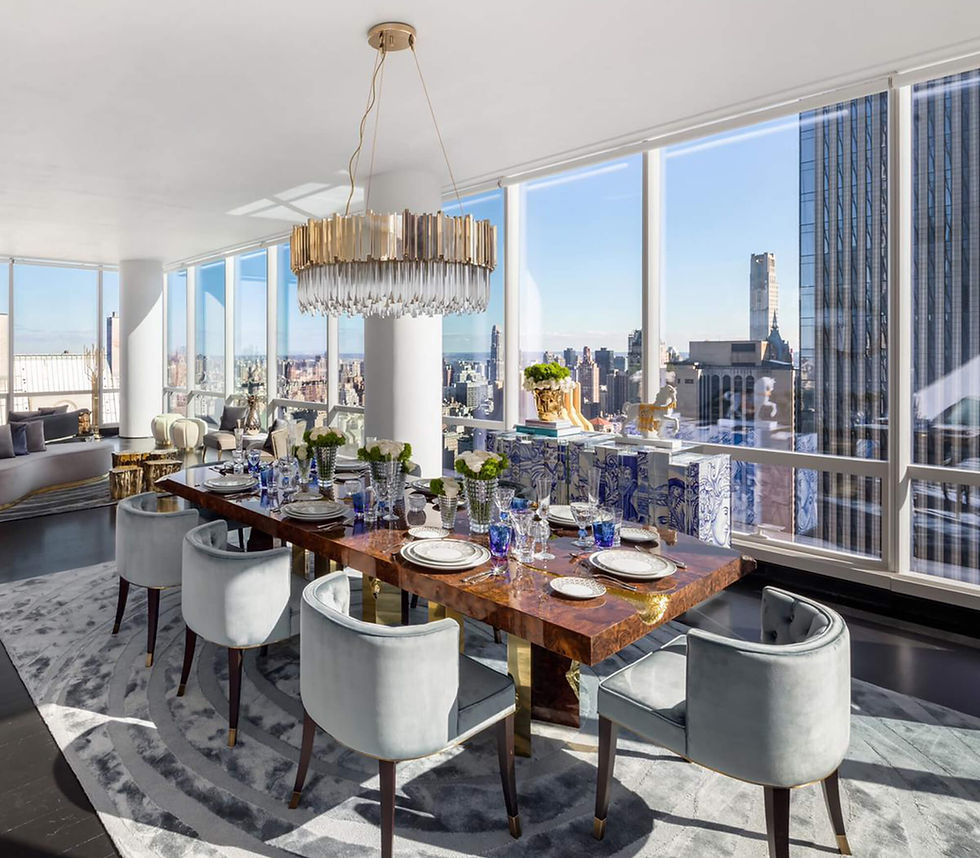
SAGIST GROUP Luxury furniture design refers to the creation of high-end, elegant furniture pieces that are not only functional but also visually stunning. This type of furniture is characterized by its use of premium materials, such as solid wood, leather, and high-quality fabrics. It often incorporates intricate details, such as carving, inlaying, and gold or silver plating, to add to its opulence.
Luxury furniture designers often draw inspiration from various styles, such as classical, Art Deco, and modern, to create unique pieces that blend traditional techniques with contemporary aesthetics. They pay close attention to every aspect of the design process, from the selection of materials to the construction of the piece, to ensure that the final product meets the highest standards of quality and style.
In conclusion, luxury furniture design is all about creating furniture pieces that are both beautiful and functional, and that exude a sense of sophistication and elegance.
Custom furniture design involves creating pieces that are tailored specifically to the individual needs and preferences of the customer. Here are a few key steps in the custom furniture design process:
1. Consultation: The first step is to have a consultation with the customer to understand their needs, preferences, and design vision. This may involve discussing the intended use of the furniture, the desired style, and any specific requirements or limitations.
2. Sketching and Conceptualization: Based on the information gathered during the consultation, the designer will create sketches or 3D renderings of the proposed design. They may also consider factors such as the size and shape of the space where the furniture will be placed, as well as any existing furniture pieces that need to be incorporated into the design.
3. Material Selection: The designer will work with the customer to select the materials that will be used for the piece, taking into consideration factors such as durability, aesthetics, and cost.
4. Construction: Once the design has been finalized and the materials have been selected, the designer will begin the construction process. This may involve creating detailed plans, ordering materials, and overseeing the fabrication and assembly of the piece.
5. Installation: The final step is to install the custom furniture in the customer's space and make any final adjustments as needed.
In conclusion, custom furniture design is a collaborative process between the designer and the customer that results in unique, one-of-a-kind pieces that are perfectly suited to the customer's specific needs and style.



Comments